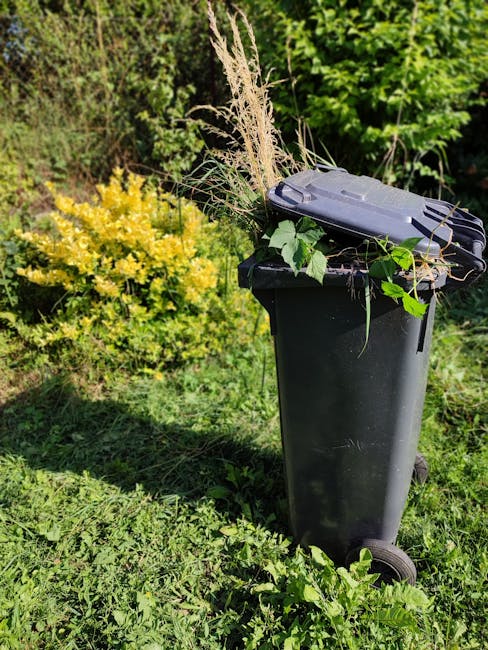
Harrow council garden waste fines and guidance for gardeners: what every local gardener should know
If you garden in Harrow, garden waste is one of those jobs that can look simple right up until it isn't. A small pile of grass cuttings, hedge trimmings, and soil can turn into a disposal headache very quickly. And yes, garden waste fines can catch people out when bags are left out incorrectly, mixed with the wrong materials, or handled in a way that breaks council rules. This guide explains Harrow council garden waste fines and guidance for gardeners in plain English, so you can keep your garden tidy, avoid unnecessary penalties, and make sensible choices about collection, storage, and disposal.
Whether you are a homeowner, landlord, keen amateur, or a professional gardener working in the borough, the basics are worth knowing. A few small habits can save money, time, and a lot of faffing about on the pavement at 7am. Let's face it, nobody wants a neat border and a messy compliance problem.
Table of Contents
- Why Harrow council garden waste fines and guidance for gardeners matters
- How Harrow council garden waste fines and guidance for gardeners works
- Key benefits and practical advantages
- Who this is for and when it makes sense
- Step-by-step guidance
- Expert tips for better results
- Common mistakes to avoid
- Tools, resources and recommendations
- Law, compliance, standards, or best practice
- Options, methods, or comparison table
- Case study or real-world example
- Practical checklist
- Conclusion
- Frequently Asked Questions
Why Harrow council garden waste fines and guidance for gardeners Matters
Garden waste rules matter because what looks like "just green cuttings" can become a local nuisance, a waste enforcement issue, or both. Councils expect waste to be presented properly, and that usually means separating it from general rubbish, storing it safely, and using the approved collection or disposal route. When that doesn't happen, complaints can follow. Sometimes it is a neighbour. Sometimes it is a street that suddenly looks untidy after pruning day. Either way, the result can be a warning, a request to remove the waste, or a fine depending on the situation.
For gardeners, the practical issue is simple: if you work in a way that produces waste, you need a plan for it. A big hedge trim, a garden clearance, or a lawn that has been left too long can create far more material than people expect. Wet clippings are heavy, branches are awkward, and contaminated waste is harder to deal with. In our experience, the cost of not planning properly often shows up later, usually when the bags are split, the van is full, or the council has already been in touch.
There is also a reputational side. A tidy garden is one thing; leaving a pile of cuttings at the kerb because "it'll be collected soon" is another. For anyone offering paid gardening work, even occasional jobs for friends and neighbours, keeping things lawful and orderly is part of the job.
Expert summary: The safest approach is to treat garden waste as a managed part of the job, not an afterthought. Separate it, contain it, and choose the right disposal route before the pruning starts.
How Harrow council garden waste fines and guidance for gardeners works
Harrow council garden waste fines and guidance for gardeners is best understood as a mix of local waste handling expectations, general environmental rules, and common-sense property management. The details can vary depending on the exact issue, but the pattern is usually the same: waste must not be dumped, fly-tipped, left in a way that causes obstruction, or presented in a contaminated state that makes collection difficult.
For most gardeners, the practical flow looks like this:
- Generate the waste. This may include grass cuttings, hedge trimmings, weeds, leaves, small branches, and sometimes soil or plant pots.
- Sort it correctly. Green waste should stay separate from household rubbish, rubble, treated timber, plastic ties, and general junk.
- Store it safely. Use sacks, bins, or bundled material that will not spill across the pavement or garden path.
- Choose the right route. Reuse, compost, take to an authorised facility, or arrange a proper collection service where appropriate.
- Keep evidence. If you are a professional gardener, keep notes of what was removed and how it was handled. A quick photo before collection can be very useful, even if it feels a bit over the top at the time.
Most fines and complaints arise from avoidable mistakes. A common one is mixing green waste with non-green waste after a clearance job. Another is overfilling black bags until they split. Another, and this one is so common it almost becomes a running joke, is assuming that "it looks tidy enough" means "it will be fine." Councils rarely work on vibes.
If you want a fuller picture of wider seasonal maintenance and how regular upkeep reduces waste build-up in the first place, it can also help to look at garden maintenance support in Harrow and the broader services overview from a local provider.
Key Benefits and Practical Advantages
Following garden waste guidance is not just about avoiding penalties. It makes your work cleaner, faster, and less stressful. There is a real rhythm to well-run outdoor work: cut, gather, sort, remove, finish. When waste handling is built into that rhythm, the whole job feels calmer.
- Lower risk of fines and complaints: Proper disposal reduces the chance of enforcement action or neighbour disputes.
- Better presentation: Clean borders, paths, and driveways make the entire property look sharper.
- Safer working conditions: Fewer loose branches, fewer slippery clippings, less trip hazard.
- More efficient jobs: You spend less time rearranging waste at the end of the day.
- Better customer trust: Clients notice when a gardener leaves a site neat, not just "done".
- Improved sustainability: Green waste can often be reused or composted instead of sent to mixed rubbish.
For many households, the real benefit is peace of mind. You don't have to wonder whether your garden bags are in the wrong place, or whether that pile of branches is becoming someone else's problem. Truth be told, it is one less thing to worry about, and there are already enough of those in an ordinary week.
For gardeners managing larger volumes, good waste handling can also save money. Fewer emergency collections, fewer failed pick-ups, fewer return visits. That is practical value, not just environmental good intentions.
Who This Is For and When It Makes Sense
This guidance is relevant to a wide mix of people in Harrow. If you are only trimming a few roses at the weekend, the risk profile is low, but the basics still apply. If you are clearing an overgrown back garden, it matters much more.
Homeowners and tenants
If you maintain your own garden, the main challenge is usually volume. A small patch can generate a surprising amount of material after a wet spell or a spring clean. Composting may handle some of it, but not always all of it.
Landlords and property managers
Vacant gardens and rental properties often accumulate waste quickly. The trouble is not just the garden itself; it is the missed presentation issue when a tenant moves out or a property sits empty. A proper clearance approach makes a big difference.
Self-employed gardeners and landscapers
If you work for clients, this is where the detail matters. Waste left on-site, even temporarily, should be managed carefully. A professional finish includes removal, containment, and sensible separation. If you need help with larger jobs, a dedicated garden clearance service can be a more practical choice than trying to squeeze everything into one van run and hoping for the best.
People dealing with seasonal surges
Autumn leaf fall, spring cutting, and post-storm cleanup all create surges. One windy afternoon and suddenly the patio is a carpet of debris. This is often when fines or complaints happen because waste gets left "just for a day" and then becomes a week.
Step-by-Step Guidance
If you want to stay on the right side of Harrow council garden waste expectations, work through the process in a steady way. No drama needed.
- Identify the waste before you start. Separate green waste, woody waste, soil, plastic, and general rubbish in your head before the first cut.
- Use the right containers. Strong garden sacks, bins, or bundles are better than random bin liners that tear on the first thorn.
- Keep pathways clear. Waste should not block access, drains, or pavements. It sounds obvious, but it is a common issue.
- Reduce volume where possible. Cut larger branches down, shake off excess soil, and remove obvious contaminants.
- Decide on the disposal route early. Compost at home, reuse as mulch where suitable, or arrange a proper removal method.
- Load carefully. If you are taking waste away yourself, do not overpack the vehicle. Loose debris can spill out, which is just asking for trouble.
- Leave the site tidy. Sweep up small fragments and check corners, gates, and steps. The tiny bits matter. They really do.
A small practical habit helps here: keep one dedicated area for holding waste during the job. If you separate it from the start, you are less likely to mix materials by mistake.
If the work is a bigger tidy-up, a regular lawn mowing service or wider upkeep plan can reduce the amount of waste building up in the first place. That sounds simple, but prevention is cheaper than recovery.
Expert Tips for Better Results
A lot of waste problems are not dramatic. They are small process problems. A few thoughtful habits go a long way.
- Cut dry where possible: Wet clippings are heavier, smell stronger, and make bags sag.
- Bundle branches neatly: Loose thorny material is awkward for everyone, including you later on.
- Don't mix streams: Soil, rubble, and green cuttings are not the same thing. Mixing them usually makes disposal more expensive and more annoying.
- Compost what makes sense: Soft cuttings, leaves, and some plant matter can often be reused at home if you have space and the right setup.
- Plan for weather: A damp Thursday morning in Harrow is not the moment to discover your bags are flimsy.
- Schedule removals promptly: The longer waste sits around, the more likely it is to attract complaints or become scattered.
Another tip, and this is a small one but useful: take a quick "before and after" photo for bigger jobs. It helps you show what was removed, and it can settle any questions later. Not glamorous, but handy.
If you work on properties with hedges, pruning and waste volume can become linked very quickly. Professional hedge trimming usually produces a tidy finish and reduces the amount of oversized offcuts that are awkward to move.
Common Mistakes to Avoid
Most avoidable garden waste penalties come from a handful of predictable mistakes. Once you know them, you can sidestep them without much effort.
- Leaving waste on the pavement too long: Even if collection is planned, it still needs to be presented properly and at the right time.
- Mixing garden waste with household waste: This is one of the quickest ways to create a disposal issue.
- Overfilling bags: Split bags mean litter, complaints, and a miserable pickup.
- Ignoring soil contamination: Thick mud on roots and turf can make "green waste" less straightforward.
- Dumping waste in a corner of the garden: Out of sight is not the same as resolved.
- Assuming all waste can be handled the same way: It cannot. Not really.
- Forgetting access routes: Gates, shared paths, and front drives need to stay usable.
A particularly common situation is after a big reshape of a front garden or a boundary hedge. The material starts off looking manageable, then suddenly you are knee-deep in branches, stems, and wet leaves. That's often when people make a rushed decision. Rushing is where mistakes creep in.
Tools, Resources and Recommendations
You do not need an elaborate setup to manage garden waste well, but a few tools make life much easier.
| Tool or method | Best for | Why it helps |
|---|---|---|
| Heavy-duty garden sacks | Leaves, clippings, light debris | Cleaner handling and fewer splits than thin bin liners |
| Tarpaulin or debris sheet | Large clearances | Makes gathering waste faster and keeps paths cleaner |
| Bypass loppers and pruning saw | Branches and woody cuttings | Reduces awkward oversized waste |
| Compost bin | Soft green waste | Turns part of the waste stream into useful material |
| Wheelbarrow or builder's tub | Moving heavier loads | Safer than carrying armfuls across the garden |
| Vehicle protection sheets | Self-removal jobs | Prevents mess and makes unloading easier |
For many households, the best "resource" is actually routine. A little maintenance each month keeps waste volumes down and prevents the overwhelming end-of-season pile-up. If you are trying to keep a property in good shape, it can also make sense to combine waste control with ongoing garden maintenance and, where needed, broader outdoor improvements through landscape gardening support.
There is also the sustainability angle. If you can reuse, compost, or separate materials properly, you are not just avoiding inconvenience. You are making the job less wasteful. Small win, but a real one.
Law, Compliance, Standards, or Best Practice
Garden waste handling sits within wider UK expectations around waste duty of care, nuisance prevention, and responsible disposal. The exact rules that affect a particular case can depend on whether the waste is domestic, commercial, mixed, or bulky, and on where and how it is presented. So it is wise to be careful about assumptions.
The safest general principles are straightforward:
- Do not fly-tip: Never dump waste in lanes, communal areas, verges, or unused plots.
- Do not misdescribe waste: Green waste should not be disguised as something else just to make removal easier.
- Do not block access: Paths, entrances, and emergency access routes should remain clear.
- Keep waste secure: Wind-blown debris can create a problem even when the pile looked fine an hour earlier.
- Use reputable disposal methods: Whether you compost, book a collection, or use another legal route, the key is that the material ends up where it should.
For professional gardeners, best practice is a little stronger than the minimum. That means keeping records where appropriate, separating waste types properly, and making sure clients know what will happen to the cuttings after the work is done. It sounds like admin, and it is, but it also shows professionalism.
If you are unsure how a bigger job should be handled, especially where there is bulky waste, timber, or multiple material types, it is safer to use a proper clearance approach rather than improvise. The wrong shortcut can end up being the expensive option.
Options, Methods, or Comparison Table
There is no single correct way to deal with garden waste. The best option depends on volume, material type, space, and how quickly it needs to go. Here's a practical comparison.
| Method | Best for | Pros | Limits |
|---|---|---|---|
| Home composting | Leaves, grass, soft cuttings | Low cost, sustainable, useful compost later | Not suitable for all materials; needs space and patience |
| Council or scheduled collection | Routine manageable volumes | Convenient and predictable | Requires correct presentation and timing |
| Self-removal | Handy for capable DIY gardeners | Flexible and can be cost-effective | Needs a suitable vehicle and careful loading |
| Professional garden clearance | Large jobs, overgrown gardens, mixed debris | Fast, tidy, less hassle | Usually costs more than doing it yourself |
For a light weekly mow, composting and routine upkeep may be enough. For a neglected garden with bramble, hedge trimmings, and old plant pots buried under leaves, a clearance service is often the sensible route. Not every job deserves a heroic DIY attempt. Some do. Many don't.
Case Study or Real-World Example
Here is a realistic example from the sort of work gardeners often deal with in Harrow.
A small front and back garden had been left untended for most of the winter. By early spring, the lawn was patchy, the hedge had thickened, and the borders were full of leaf litter and broken stems. The owner wanted it "done in one go," which is fair enough, but the waste volume was more than a few domestic bins could handle.
The smart approach was to split the job into stages: cut back the hedge, mow and collect the grass, clear the loose debris, separate woody waste from soft clippings, and then remove everything in a controlled load rather than in a panic. The result was simple. The property looked better, the waste stayed organised, and there was no awkward mound sitting by the gate waiting for someone else to deal with it.
That is really the heart of Harrow council garden waste fines and guidance for gardeners. Not fear, just structure. When the job is planned properly, waste stops being a problem and becomes part of the workflow.
Practical Checklist
Use this quick checklist before and after you deal with garden waste:
- Have I separated green waste from general rubbish?
- Are there any stones, plastic ties, pots, or treated materials mixed in?
- Are all bags strong enough to carry the load?
- Will the waste block paths, gates, drains, or the pavement?
- Do I know whether I am composting, collecting, or removing it?
- Have I reduced bulky branches into manageable pieces?
- Is the site tidy enough that nobody else has to worry about loose debris?
- For larger jobs, do I need extra help from a tree lopping and removal service or a broader clearance team?
- Have I checked the area again after the main work is finished?
- Would a regular maintenance plan prevent this same build-up next time?
If you can answer yes to most of those, you are already in good shape. And if not, it is usually fixable with a bit of sorting and a second look.
Get a free quote today and see how much you can save.
Conclusion
Harrow council garden waste fines and guidance for gardeners come down to one simple principle: keep waste under control and dispose of it properly. That means sorting material correctly, avoiding mess, preventing obstruction, and using the right route for the job. It sounds straightforward because, mostly, it is. The challenge is in the details, especially when a small tidy-up turns into a bigger clearance than expected.
If you take away one thing, let it be this: garden waste is much easier to manage when you plan for it before you start cutting. A few sacks, a clear process, and the right disposal choice can save a lot of hassle later. And if the job is bigger than expected, there is no shame in getting help. Quite the opposite, really.
Keep the garden tidy, keep the waste tidy, and the rest tends to follow.
Frequently Asked Questions
Can Harrow council fine me for leaving garden waste outside?
Yes, depending on how the waste is presented and whether it causes an obstruction, nuisance, or looks like improper disposal. The safest approach is to keep it contained, properly timed, and ready for approved collection or removal.
What counts as garden waste in practical terms?
Typical garden waste includes grass cuttings, hedge trimmings, leaves, small branches, weeds, and plant matter. Soil, rubble, plastic pots, ties, and general rubbish are different streams and should not be mixed in casually.
Is composting enough to avoid waste problems?
Composting helps a lot, but it will not handle every type or volume of waste. Soft green material is ideal, while woody waste, diseased plants, or mixed debris may need another route.
What is the biggest mistake gardeners make with waste?
The most common mistake is mixing waste types or leaving bags out in a way that splits, spills, or blocks access. It seems minor in the moment, but it is usually what turns a tidy job into a complaint.
Do I need different handling for a large clearance job?
Absolutely. A full garden clearance creates more waste, more material types, and more chance of something being done badly. Larger jobs are where planning matters most, and where a professional clearance option can make sense.
Can grass cuttings go in normal black bags?
They can be put into bags, but the key issue is whether the bags are strong enough and whether the waste is presented correctly. Overfilled or split bags are where trouble tends to start.
How can I reduce the chance of receiving a fine?
Separate waste properly, don't overfill containers, keep the site tidy, avoid blocking access, and use a lawful disposal route. That simple checklist covers most of the common issues.
Is it better to remove garden waste the same day?
Usually, yes, if you can. The longer it sits around, the more likely it is to become scattered, smell, or attract attention for the wrong reasons. Same-day removal is cleaner and less stressful.
What should I do after hedge trimming or heavy pruning?
Collect offcuts straight away, separate woody branches from softer material, and make sure nothing is left snagging on fences or paths. If the hedge work has produced a lot of waste, consider a dedicated hedge trimming service or a clearance plan for the rest.
How do I know if I need professional help?
If the waste is too bulky for your vehicle, too mixed to sort quickly, or simply more than you want to handle alone, that is a strong sign. Professional help is often cheaper than multiple trips, damaged bags, and wasted time.
Can regular garden maintenance really reduce waste fines?
Yes. Regular mowing, pruning, and trimming creates smaller, more manageable waste volumes. It is much easier to stay compliant when the garden never gets out of hand in the first place.
Where should I go next if I need help with a bigger garden job?
Start with the most relevant local service pages, compare the work needed, and check whether routine upkeep or clearance is the better fit. For many people, a mix of maintenance and occasional clearance is the most sensible setup.
If you want a cleaner, simpler way to manage garden waste in Harrow, start with the right plan rather than the biggest pile. That one habit saves a surprising amount of stress, and honestly, your future self will be glad you did.