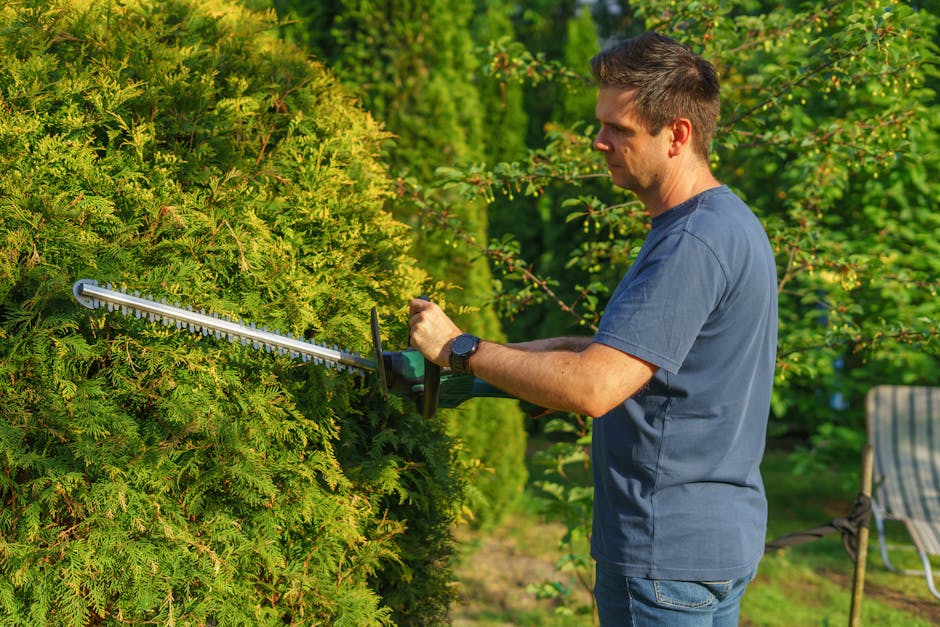
Gardeners Harrow on the Hill Guide for Small Yards
If you have a small garden in Harrow on the Hill, you probably know the feeling: one week it looks tidy, the next it's suddenly cramped, a bit tangled, and somehow smaller than it was before. That's where a practical Gardeners Harrow on the Hill guide for small yards really helps. Small outdoor spaces can be charming, but they need a lighter touch, a sharper eye, and a plan that fits the way people actually live in them.
In this guide, you'll find clear advice on how local gardening services approach compact yards, what makes small-space maintenance different, and which choices usually give the best result without wasting time or money. We'll cover design, maintenance, safety, costs, common mistakes, and a few real-world considerations that often get missed. If you're trying to decide whether to do it yourself or call in help, this should make the picture a lot clearer. Truth be told, small yards can be brilliant once they're handled properly.
Table of Contents
- Why Gardeners Harrow on the Hill guide for small yards Matters
- How Gardeners Harrow on the Hill guide for small yards Works
- Key Benefits and Practical Advantages
- Who This Is For and When It Makes Sense
- Step-by-Step Guidance
- Expert Tips for Better Results
- Common Mistakes to Avoid
- Tools, Resources and Recommendations
- Law, Compliance, Standards, or Best Practice
- Options, Methods, or Comparison Table
- Case Study or Real-World Example
- Practical Checklist
- Conclusion
- Frequently Asked Questions
Why Gardeners Harrow on the Hill Guide for Small Yards Matters
Small yards look simple at first glance. Less lawn, fewer borders, not much pruning. Easy, right? Not quite. Compact gardens often show every decision straight away. A hedge trimmed a little too hard can make the space feel bare. A bed planted with the wrong shrubs can swallow the whole yard. Even the wrong paving layout can make a narrow patch feel awkward and cramped.
That's why a local, practical approach matters. Harrow on the Hill has plenty of homes where the outside space is limited, partly enclosed, or split into awkward shapes. Many gardens are tucked behind terraces, beside side returns, or formed into narrow courtyards that need careful planning. A good gardener understands how to make a small area feel balanced rather than busy, neat rather than stripped back.
There's also a comfort factor. A well-kept small yard is easier to use day to day. It becomes a place for morning coffee, a few herbs by the door, or a bench that actually fits without blocking the path. And because the space is limited, every improvement counts. You feel it immediately. That's a nice thing, to be fair.
If you're comparing services, it can help to start with the wider garden care services overview so you can see how mowing, pruning, tidy-ups, and seasonal work fit together.
How Gardeners Harrow on the Hill Guide for Small Yards Works
Working in a small yard is less about doing more and more about doing the right things in the right order. A decent gardener will usually begin with the shape of the space, how much light it gets, how water behaves after rain, and what you actually want from it. Do you want a clean, low-maintenance patio? A greener feel? Space for children, pets, or containers? Those questions change the plan quite a bit.
In practical terms, the process usually looks like this:
- Assess the layout - measure the usable space, note narrow access points, and check where the sun falls during the day.
- Clear the clutter - remove dead plants, overgrown edges, broken pots, and anything that makes the yard feel crowded.
- Define the structure - decide what stays: lawn, paving, borders, raised planters, screening, or storage.
- Set a maintenance level - low, medium, or more hands-on. This matters because small yards get messy quickly if upkeep is unrealistic.
- Carry out the work - mowing, pruning, weeding, edging, shaping, pressure-free cleaning, or planting improvements.
- Finish with a simple care plan - a few tasks each season so the garden doesn't drift backwards.
That last step is often the difference between a tidy yard that lasts and one that looks good for three weeks. Small spaces don't forgive delay. A little weed growth or a skipped trim is enough to make everything feel crowded again.
For homeowners who value reliability and clear service expectations, it's sensible to look at providers that explain things openly, including pricing and quotes and what is included before work starts.
Key Benefits and Practical Advantages
There are real benefits to tailoring garden care for small yards rather than treating them like miniature versions of larger gardens. The main gains are practical, but they also affect how the space feels emotionally. A tidy small yard can make a whole home feel calmer. That sounds a bit grand, maybe, but it's often true.
1. Better use of space
Compact gardens need every square metre to earn its keep. Careful pruning, smarter planting, and tidy borders stop the space from feeling overfilled.
2. Easier ongoing maintenance
When the structure is simple and well thought out, future upkeep becomes less of a chore. You're not battling the garden every weekend.
3. Stronger kerb appeal
Even a tiny front or rear yard can improve the way a property presents itself. Clean lines, healthy planting, and a neat finish make a noticeable difference.
4. Better plant health
Plants in small spaces can suffer if they're crowded, shaded, or poorly watered. Good spacing and correct pruning help them stay healthy and manageable.
5. Safer movement and access
Small yards often double as routes to bins, sheds, side access, or washing lines. Keeping them clear reduces the chance of slipping, tripping, or snagging on overgrown growth.
6. More flexible use of the space
One tidy, well-planned yard can work as a dining spot, a storage zone, or a pocket of calm. That flexibility is gold when outdoor space is limited.
Expert summary: In small yards, the best results usually come from restraint, rhythm, and good spacing rather than dramatic change. Simple, consistent care almost always beats heavy-handed work.
If sustainability matters to you, ask about waste handling and green practices too. A local team with a sensible recycling and sustainability approach can help reduce the amount of garden waste that ends up being thrown away unnecessarily.
Who This Is For and When It Makes Sense
This kind of service and guidance suits a wide range of homeowners and landlords, but it's especially useful if your garden is compact, awkward, or simply not giving you the space you hoped for. Small yards often need attention from someone who can spot what not to do. A bit less fuss. A bit more judgement.
You may benefit if you:
- have a courtyard, narrow rear garden, side passage, or small front plot
- want a low-maintenance garden that still looks polished
- struggle to keep up with weeds, edging, or overgrown shrubs
- need the space to serve more than one purpose
- are preparing a home for sale or letting
- have limited mobility or limited time for outdoor upkeep
- prefer a professional finish without major redesign work
It also makes sense when the garden has become a bit of a "I'll sort that next weekend" situation. You know the kind. A few pots on the patio. A hedge leaning into the walkway. A lawn patch that never quite recovers. Nothing catastrophic, just enough to niggle at you every time you look out the window.
For homeowners who want practical support without guessing what's involved, it's worth reviewing the service range on the main Harrow garden care site and matching it to the size and style of your yard.
Step-by-Step Guidance
If you're planning to improve a small yard, the best results usually come from a structured approach. Here's a sensible sequence that works well in compact spaces.
Step 1: Start with a clear purpose
Ask what the garden needs to do. If you only know that it looks messy, the fix can drift. If you know you want room for seating, more light, and easier mowing, the decisions become much sharper.
Step 2: Measure the real usable area
Small yards often include corners, steps, shed bases, bin stores, or access routes that reduce actual usable space. Measure what you can genuinely use, not just the full footprint.
Step 3: Identify problem zones
Look for shade, damp patches, weed-prone joints, or areas that always get muddy. In Harrow on the Hill, older properties and sloping gardens can make drainage and access a little tricky. That's normal, but it needs to be planned for.
Step 4: Decide what stays and what goes
Be honest. In a small yard, every item should justify itself. A tired shrub that blocks light may need shaping or removal. A bulky pot that steals the walkway may need replacing with a slimmer container.
Step 5: Simplify planting
Pick fewer plants, but better ones. Group them with enough room to grow. Choose species that suit the light and don't need constant intervention. That's usually the sweet spot.
Step 6: Keep the hard surfaces tidy
Patios, paths, and edging have an outsized impact in small yards. Clean lines make the garden feel bigger. A swept surface, fresh joints where needed, and neat borders can change the whole mood in under an hour.
Step 7: Set a realistic maintenance rhythm
Small gardens don't need constant work, but they do need regular touchpoints. A short weekly tidy, plus a more focused monthly visit in the growing season, is often enough. Let it go too long and the space can feel smaller very quickly.
Step 8: Review what's working after one season
This is the bit people skip. After a season, look at what flourished, what struggled, and which areas became annoying to use. Then tweak. Gardening in small spaces is rarely one-and-done; it's more like a series of useful corrections.
Expert Tips for Better Results
Here are some practical ideas that make a big difference in compact gardens. They're not flashy, but they work.
- Use vertical space wisely. Trellis, wall planters, and trained climbers can add greenery without eating floor area.
- Choose plants by habit, not just colour. A lovely plant that spreads aggressively can cause trouble later. Small yard? Size matters.
- Keep a clean edge. A sharp lawn or border edge makes the whole garden look more deliberate.
- Mix textures carefully. A few different leaf shapes can add depth without clutter.
- Work with light. Pale paving, reflective walls, and lighter planting can help a shady yard feel less boxed in.
- Don't overfill containers. A handful of well-placed pots often looks better than a crowded cluster.
- Plan sightlines. If you can see the far end of the yard, it usually feels larger. Keep that line open where possible.
A small but useful habit: step back every so often and look at the garden from the doorway, not just from inside the beds. You'll notice balance issues much faster that way. It's a strangely revealing angle.
If your garden work involves climbing, pruning, or handling equipment, make sure the provider follows sensible safety practices. A good place to review expectations is the health and safety policy and the page on insurance and safety. Those details matter more than people often think.
Common Mistakes to Avoid
Small yards punish avoidable errors quickly. That's the blunt truth. The space is too limited to hide poor choices for long.
- Using too many plant varieties. A mixed-up collection can make a tiny garden look busy and disjointed.
- Choosing oversized furniture. One heavy table can dominate the entire space.
- Ignoring drainage. Water pooling in a compact yard turns maintenance into a constant nuisance.
- Cutting shrubs too hard. Over-pruning can leave the garden looking bare and unbalanced.
- Letting access routes narrow. You still need room to move bins, tools, and people through the space.
- Forgetting seasonal growth. What looks perfectly sized in April may feel overcrowded by July.
- Chasing low maintenance without planning. "Low maintenance" is not the same as "no maintenance." A small but important difference.
One especially common slip is choosing plants because they look lovely in the nursery, not because they suit the space. Happens all the time. A plant can be a star in the wrong setting and a mess in the right one, if that makes sense. Actually, it does.
Tools, Resources and Recommendations
For small-yard gardening, the right tools are usually modest rather than fancy. You don't need an arsenal; you need equipment that gives control and a clean finish.
| Tool or Resource | Best Use in a Small Yard | Why It Helps |
|---|---|---|
| Compact mower or strimmer | Small lawns, awkward edges | Gives precise control without damaging borders |
| Hand shears | Fine trimming and shaping | Better for tight spaces than large hedge tools |
| Fork and hand trowel | Bed prep and planting | Easy to use in narrow beds and containers |
| Pressure-free patio cleaner | Paths and paved areas | Removes grime without overdoing it |
| Simple plan or sketch | Layout decisions | Stops the space from becoming cluttered by accident |
Professional gardeners may also bring better judgement about timing. For example, trimming before a growth spurt, or scheduling a tidy-up just ahead of a family gathering or property viewing. Small yards often benefit from that kind of timing more than people expect.
If you're comparing service options, the pricing and quote information can help you understand what a straightforward service may include, and how to ask the right questions before booking.
Law, Compliance, Standards, or Best Practice
For ordinary home gardens, there usually isn't a complicated legal framework to worry about day to day. Still, if you hire someone to work on your property, it's sensible to expect professional standards around safety, insurance, payment clarity, and responsible waste handling.
In the UK, good practice generally means:
- using equipment safely and in a way that suits the space
- protecting property, people, pets, and planted areas
- explaining what work will be done before starting
- handling waste responsibly and lawfully
- being transparent about payment terms and service expectations
It's also wise to check that the business communicates clearly on customer support and service standards. A provider's payment and security information should feel straightforward, not slippery. Same goes for its complaints procedure if you ever need it. Hopefully you won't, but good businesses prepare for that possibility anyway.
And yes, if a company has an accessibility statement, that can be a helpful sign that they think carefully about how people use their service. Not the whole story, of course, but it's a useful signal.
For environmentally minded homeowners, ask how clippings, cuttings, and green waste are managed. A clear recycling and sustainability policy can be a reassuring sign of a thoughtful service.
Options, Methods, or Comparison Table
There isn't one perfect way to manage a small yard. The best method depends on how you use the space, how much time you have, and how much change you want. Here's a simple comparison.
| Approach | Best For | Pros | Trade-Offs |
|---|---|---|---|
| DIY regular maintenance | Hands-on homeowners with time | Lower cost, flexible timing | Easy to fall behind, especially in peak season |
| Occasional professional tidy-up | Gardens that need a reset | Fast improvement, less effort from you | Less helpful if the garden is left too long between visits |
| Scheduled maintenance plan | Busy households and landlords | Consistent appearance, fewer surprises | Requires commitment and planning |
| Light redesign plus upkeep | Awkward or overcrowded yards | Improves function and looks | Higher upfront effort, but often worth it |
For many small gardens, the sweet spot is a blend: professional help for the reset, then lighter ongoing maintenance. That keeps the place looking cared for without turning it into a weekend project that never ends. Nobody wants that.
Case Study or Real-World Example
Imagine a narrow rear yard in Harrow on the Hill with a small patch of lawn, a few mature shrubs, and a patio that's gone a bit green around the edges. The owner wants somewhere to sit in the evening, but the space feels cluttered and awkward. Every time they look out the window, they see more maintenance than relaxation.
A sensible local gardener might tackle it in phases. First, remove dead growth and shape the shrubs so the path opens up. Then clean the paving, define the lawn edge, and replace a couple of oversized pots with slimmer containers. Next, keep just enough planting to soften the walls, but not so much that the yard feels crowded. The result is not dramatic in a flashy way. It's better than that. It feels usable.
By the end of the job, the yard may still be small, but it reads differently. Light reaches further. The seating area has room to breathe. The eye can travel from one end to the other without hitting a wall of foliage. It's the sort of change you notice most when you step out there with a mug of tea on a quiet morning, before the rest of the day starts making noise.
That's the real value of good small-yard gardening: not just tidiness, but ease.
Practical Checklist
Use this checklist before starting work or booking help. It keeps the project grounded.
- Know what you want the yard to do
- Measure the real usable space
- Check sun, shade, and damp areas
- Remove clutter, dead growth, and broken items
- Decide whether the lawn, patio, or borders should take priority
- Choose plants that suit the light and the available room
- Keep access routes clear
- Ask about waste removal and sustainability
- Confirm insurance and safety arrangements
- Set a realistic follow-up maintenance plan
Quick reality check: if a garden idea sounds lovely but will be hard to maintain in six months, it probably isn't the right choice for a small yard. Simple is not boring. Often, it's smarter.
Conclusion
A small yard in Harrow on the Hill can be one of the most rewarding outdoor spaces to care for, provided the approach is thoughtful. The right gardener won't try to force it into a big-garden template. They'll work with the shape, light, and everyday use of the space so it feels calm, practical, and genuinely pleasant to spend time in.
Whether you need a one-off tidy-up, a better planting plan, or regular support that keeps everything under control, the best results come from clear priorities and steady maintenance. Keep it simple, keep it honest, and don't underestimate the difference a well-managed small yard can make to the way a home feels.
Get a free quote today and see how much you can save.
And if you're still weighing things up, that's fine. Small spaces take a little thought, but once they're right, they have a way of quietly improving everyday life in the nicest possible way.
Frequently Asked Questions
What do gardeners in Harrow on the Hill usually do for small yards?
They typically focus on mowing, edging, pruning, weeding, tidy-ups, planting improvements, and making the space easier to use. In small yards, the emphasis is usually on neat structure and low-clutter maintenance rather than heavy redesign.
How often should a small yard be maintained?
That depends on the planting and season, but many small gardens benefit from light weekly attention and a more thorough visit every few weeks during active growing periods. Letting it build up is where things get messy fast.
Is professional help worth it for a tiny garden?
Often, yes. Small gardens can be deceptively fiddly, especially if the layout is awkward or the growth is dense. A professional can usually improve the space quickly and help prevent the same issues from returning.
Can a small yard be made to look bigger?
Yes. Clear sightlines, simple planting, lighter surfaces, restrained furniture, and tidy edges all help a yard feel larger. It's less about adding things and more about removing visual noise.
What plants work best in compact outdoor spaces?
Plants that stay manageable, suit the light level, and don't spread too aggressively are usually best. The exact choices depend on whether the yard is sunny, shaded, dry, or damp, so one-size-fits-all advice rarely works well.
How much work is involved in keeping a small yard tidy?
Usually less than a large garden, but the work often needs to be more frequent and more precise. A small space shows neglect quickly, so short regular tasks are better than occasional big clear-outs.
Do small yards need a lawn at all?
Not always. Some small gardens work better with paving, gravel, containers, or a planted design. A lawn can be lovely, but only if there's enough light and enough space for it to feel worth the upkeep.
What should I ask before booking a gardener?
Ask what the service includes, how waste is handled, whether insurance is in place, how pricing works, and whether the gardener has experience with compact or awkward layouts. Clear answers are a good sign.
Are small yard garden services suitable for landlords or rental properties?
Yes. In fact, compact gardens often benefit from regular maintenance in rental settings because a small amount of neglect becomes visible very quickly. A tidy outdoor area can also help with presentation for viewings.
How do I keep a small yard from feeling overcrowded?
Use fewer, better-chosen plants; keep furniture slim; leave clear walking space; and trim growth before it starts to sprawl. The goal is balance. If something looks useful but feels cramped, it's probably in the wrong place.
What is the best next step if I'm not sure what my yard needs?
Start with a simple assessment of the space, take a few photos, and note what bothers you most: lack of light, too much growth, poor layout, or hard surfaces that need attention. Then ask for a tailored quote so the advice fits your actual yard, not a generic version of it.
Do I need to worry about safety when hiring garden help?
Yes, it's sensible to check. For any work involving tools, ladders, awkward access, or waste removal, good safety practices matter. A reputable business should be clear about insurance, safe working methods, and how it protects your property.
Can a small yard be improved without a full redesign?
Absolutely. Often, the biggest gains come from pruning, clearing, edge definition, and a more disciplined planting layout. You don't always need to start from scratch. Sometimes, the garden just needs a better rhythm.