Garden maintenance HA1 HA2 postcode guide
If you live in HA1 or HA2, keeping a garden in good shape can feel like a moving target. One week it is the lawn, the next it is hedges, weeds, windblown leaves, or a border that suddenly looks twice its size after a bit of rain. A proper Garden maintenance HA1 HA2 postcode guide helps you understand what regular upkeep should include, how to plan it through the seasons, and what to expect if you decide to bring in local help. It is not just about making things look tidy. It is about keeping your outdoor space healthy, usable, and a lot easier to live with.
That matters in Harrow and the surrounding North West London streets, where gardens can range from small terrace plots to larger family spaces that need a steady hand. Whether you want a one-off tidy-up or ongoing care, this guide walks you through the practical side of it all, without the fluff.
Table of Contents
- Why Garden maintenance HA1 HA2 postcode guide Matters
- How Garden maintenance HA1 HA2 postcode guide Works
- Key Benefits and Practical Advantages
- Who This Is For and When It Makes Sense
- Step-by-Step Guidance
- Expert Tips for Better Results
- Common Mistakes to Avoid
- Tools, Resources and Recommendations
- Law, Compliance, Standards, or Best Practice
- Options, Methods, or Comparison Table
- Case Study or Real-World Example
- Practical Checklist
- Conclusion
- Frequently Asked Questions
Why Garden maintenance HA1 HA2 postcode guide Matters
Garden maintenance is one of those jobs that looks simple from the pavement and then quietly turns into a weekend-killer. In HA1 and HA2, gardens are often exposed to a mix of urban pollution, shade from buildings, compacted soil, and fast-growing weeds. A consistent approach makes a real difference. It keeps planting healthier, reduces trip hazards, and stops small problems from becoming expensive ones.
There is also a local angle. In busy residential streets, a neat front garden improves kerb appeal straight away, while a well-managed back garden gives you proper usable space rather than a patch of stress. If you are selling, renting, managing a property, or simply trying to enjoy a bit of fresh air without staring at brambles, regular maintenance is not a luxury. It is basic upkeep, really.
For many homeowners, the challenge is time. For landlords, it is consistency. For older residents or busy families, it is simply physical effort. That is where clear planning helps. A good maintenance routine means you can spot seasonal work early, budget sensibly, and decide whether to do it yourself or use support such as garden maintenance services or a more specific lawn care service when the grass starts behaving like it owns the place.
Quick takeaway: In HA1 and HA2, garden maintenance is less about occasional big tidy-ups and more about steady, seasonal care that keeps your outdoor space healthy, presentable, and manageable.
How Garden maintenance HA1 HA2 postcode guide Works
Good garden maintenance usually follows a simple rhythm: inspect, prioritise, clean up, and then keep on top of the growth. That rhythm matters because gardens are living spaces. They do not stay tidy just because you cleared them once in spring. By late summer, you may have a different problem entirely. To be fair, that is half the battle.
For a typical HA1 or HA2 property, maintenance often includes some combination of:
- lawn mowing and edge trimming
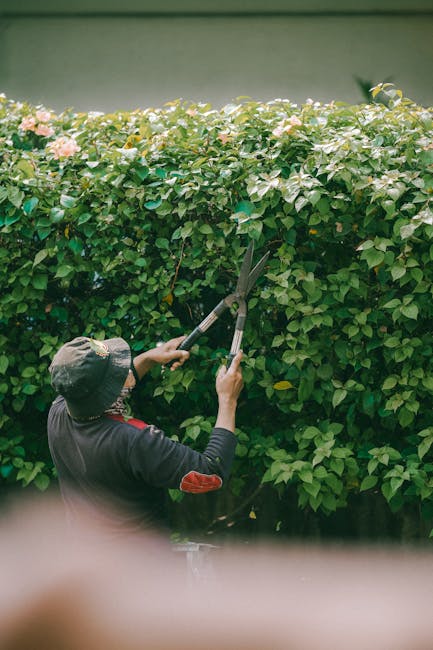
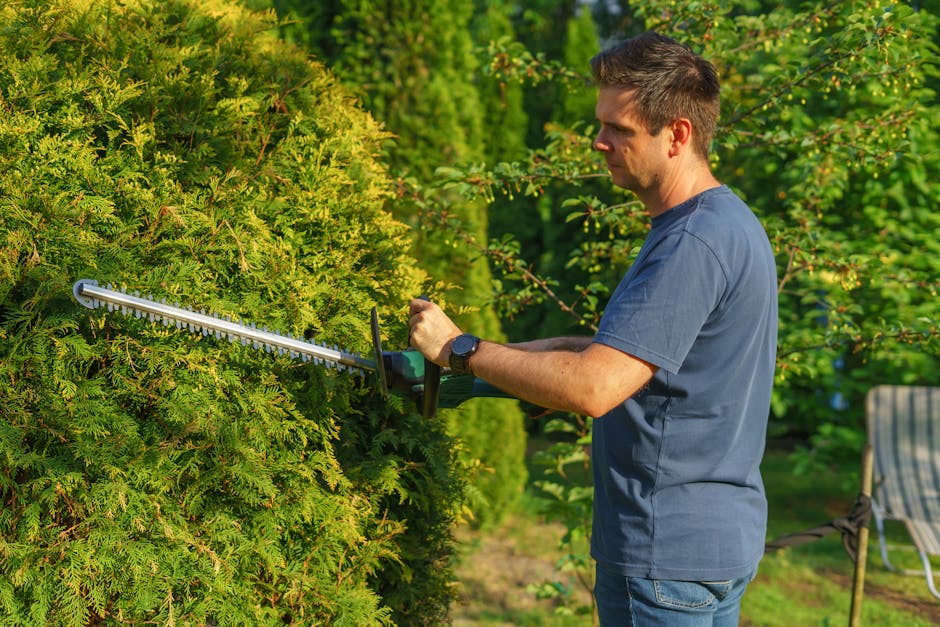
- hedge trimming and shrub shaping
- weeding borders, paths, and patio joints
- leaf clearance and general garden waste removal
- plant deadheading, feeding, and watering
- pruning to remove dead, damaged, or overcrowded growth
- pressure washing or light outdoor cleaning where appropriate
In practice, the work is usually split into visits based on season and need. In spring, you focus on recovery after winter: clearing debris, pruning, and encouraging new growth. In summer, lawns, watering, and weed control tend to dominate. In autumn, leaf fall and storm prep become the priority. In winter, you keep things tidy, safe, and protected.
If you are comparing local help, it is worth checking whether a provider offers one-off tidy-ups, regular visits, or a tailored package. Some households only need a monthly pass through. Others need a more hands-on schedule, especially if the property includes mature planting or a lawn that thins out quickly. A good provider should be able to explain what is included and what is not, without vague waffle. Honest clarity is a good sign.
For larger or more complex gardens, related services can make sense too, such as hedge trimming, lawn cutting, and garden clearance. Those are often the jobs that transform a neglected space into something you can actually use again.
Key Benefits and Practical Advantages
There is more to regular garden upkeep than appearance, although let's be honest, a tidy garden does feel better the moment you step outside with a cup of tea.
1. A healthier garden overall
Routine care helps plants grow more evenly, reduces competition from weeds, and keeps disease or pest problems easier to spot. If you leave things too long, a small issue can spread fast. In a damp week, especially, you can almost see the weeds getting bolder.
2. Less expensive recovery work later
Maintaining a garden little and often is usually cheaper than restoring an overgrown one. Heavy clearance, tough root removal, and repeated pruning can take much more time than steady upkeep. That extra labour is what pushes jobs up in effort, even if the garden itself is not huge.
3. Better use of outdoor space
A maintained garden is usable. You can sit out, let children play, park bikes neatly, or simply open the back door without feeling the need to apologise to yourself. Small space or large, it helps.
4. Improved property presentation
For landlords, sellers, and anyone who cares about first impressions, a cared-for garden supports the wider appearance of the property. It can make the home feel more settled and looked after. That matters in real life, not just on listings.
5. Reduced safety risks
Overgrown paths, slippery moss, broken branches, and hidden debris can all become hazards. Regular maintenance reduces the chance of trips, slips, and avoidable mess. No drama, just less hassle.
| Maintenance area | What happens if ignored | What regular care does |
|---|---|---|
| Lawn | Patches, moss, long grass, weak edges | Cleaner cut, stronger growth, neater finish |
| Hedges and shrubs | Loss of shape, crowding, blocked light | Better structure and healthier airflow |
| Borders | Weed takeover, dry soil, forgotten plants | Clear planting and easier seasonal care |
| Patios and paths | Moss, slippery surfaces, untidy edges | Safer, cleaner outdoor access |
Who This Is For and When It Makes Sense
This guide is useful if you are a homeowner, tenant with garden responsibility, landlord, letting agent, or managing an inherited property that needs regular attention. It also helps if you have recently moved and realised the garden looked lovely in the photos but is now, well, a bit of a project.
It makes particular sense in these situations:
- you do not have the time or tools to keep up with routine tasks
- the garden is becoming overgrown after a few missed months
- you want a better-looking front garden for kerb appeal
- you are preparing a property for sale or new tenants
- you need a safer, tidier outdoor area for children or older relatives
- you have mature hedges, established shrubs, or a lawn that needs regular attention
In HA1 and HA2, many gardens are not massive, but they still need regular work because urban conditions can be tough on planting. Shade, fencing, paving, and nearby buildings all affect how quickly things grow or dry out. That means the right schedule matters more than people often expect.
If your garden is mostly hard landscaping with planters, the work may be lighter but still important. Pots dry out, joints collect weeds, and leaves love to gather in corners like they pay rent there. If you have a larger rear garden, the job gets more seasonal and more labour-intensive. Different problem, same principle.
Step-by-Step Guidance
If you are deciding how to manage your garden properly, this simple process can help.
Step 1: Walk the garden and note what needs attention
Start with a slow visual check. Look at the lawn, edges, borders, paths, fences, gates, sheds, and any trees or shrubs that may need care. It sounds basic, but people often miss the obvious because the garden has become one big blur. Break it down.
Step 2: Sort the work into urgent, seasonal, and optional tasks
Urgent tasks are safety or damage issues: unstable branches, blocked paths, or heavy weed growth. Seasonal tasks are things like pruning, feeding, and leaf clearance. Optional tasks are the nice-to-have improvements, such as reshaping beds or refreshing mulch.
Step 3: Decide what you can handle yourself
Some jobs are straightforward if you have the tools and time. Mowing, light weeding, deadheading, and sweeping are often manageable. But high hedges, stubborn roots, and large clearances are different. If a job needs ladders, repeated lifting, or specialist disposal, it is worth stepping back and assessing the risk.
Step 4: Create a realistic schedule
A workable schedule is more useful than an ambitious one you never actually follow. In many HA1 and HA2 gardens, fortnightly or monthly maintenance is enough for the growing season, with extra visits during peak growth or autumn leaf fall. The right frequency depends on what is planted and how quickly everything grows.
Step 5: Use the right service mix
Not every garden needs a full overhaul. Some need seasonal tidy-up services, while others benefit from ongoing care plus occasional specialist work. A sensible combination might include lawn care, hedge trimming, and a periodic clearance visit if the garden gets behind.
Step 6: Review and adjust after each visit
After the first few sessions, check what still feels difficult. Is the grass still growing too fast? Are the borders filling with weeds? Do certain corners collect leaves or stagnant water? Small observations lead to better results. Truth be told, that is where most good garden routines are made.
Expert Tips for Better Results
Here are the practical tips that tend to make the biggest difference, especially in local London gardens where space and time are both tight.
- Keep edges sharp. A clean lawn edge makes the whole garden look cared for, even if the rest is fairly simple.
- Do little and often. Weekly or fortnightly attention is easier than wrestling with a jungle in one go.
- Mulch after clearing. A layer of mulch helps slow weed growth and keeps soil moisture more stable.
- Prune with purpose. Do not cut just for the sake of it. Remove dead, damaged, crossed, or overcrowded growth first.
- Watch watering carefully. In containers and new planting, under-watering is common. But over-watering can be just as unhelpful.
- Think about access. Narrow side paths, shared alleys, and tight rear entrances can affect how easily a job gets done.
One small but useful habit: keep a simple note of what was done last time. Nothing fancy. Just a few lines on your phone. It helps spot patterns. If the same area keeps coming back with weeds or the hedge always surges in August, you will know when to plan ahead.
And if you are arranging professional help, ask what is included in each visit. Some providers will edge the lawn, remove waste, and sweep down hard surfaces; others may only cover the core maintenance tasks. It is better to ask early than assume. Saves that awkward conversation later.
For broader outdoor care, you may also want to look at fence installation and repairs if broken boundaries are affecting the garden, or patio cleaning if the hard landscaping needs a reset too.
Common Mistakes to Avoid
Most garden problems do not start as disasters. They start as delay. Then another week passes. Then the weather changes. You know how it goes.
- Waiting too long between visits. Regular maintenance is easier and usually more effective than rescue work.
- Cutting too much at once. Heavy pruning or mowing down too far can stress plants and lawns.
- Ignoring soil condition. Compacted or dry soil can make even a neat garden look tired.
- Overusing pesticides or harsh treatments. Use them carefully and only when necessary, following product guidance.
- Forgetting waste removal. Green waste piles up quickly and can spoil the look of the whole space.
- Not checking access and disposal. Big jobs often need a plan for bags, cuttings, and transport.
A surprisingly common mistake is treating every plant the same. A hedge, a rose bush, and a patch of lawn each need different care. If you are not sure what something requires, pause and identify it first. That one minute can save a month of regret. A bit dramatic perhaps, but true.
Another issue is over-tidying in the wrong season. A garden that looks very neat in December might have lost protective structure for wildlife or left vulnerable plants exposed. Balance matters. Not every stem should be stripped back just because it looks a little messy.
Tools, Resources and Recommendations
You do not need an enormous toolkit to maintain a garden properly. In fact, a small, reliable set of tools is often better than a shed full of half-used gadgets.
Useful tools for routine upkeep
- lawn mower or strimmer
- secateurs for light pruning
- hedge trimmer for shaped growth
- garden rake and leaf grabber
- spade and hand trowel
- gloves, sturdy shoes, and eye protection where needed
- green waste bags or containers
Helpful resources and service pages
If you want a broader picture of what support is available, it can help to look at related pages such as ongoing garden maintenance support, clearance for overgrown spaces, and contact the team to ask about your specific garden setup. If you are based nearby but not sure which service is best, a quick conversation often clears it up faster than another hour of scrolling.
For landlords or property managers, keeping a simple record of visits and completed work is also useful. It gives you a clear view of what has been done, especially if the garden forms part of your responsibility between tenancies.
Law, Compliance, Standards, or Best Practice
For most domestic gardens, garden maintenance is governed more by sensible best practice than by complex formal rules. Even so, there are a few things worth keeping in mind in the UK context.
First, if you are disposing of garden waste, do so responsibly. Local councils have their own rules for green waste and bulky waste, and these can vary. It is usually best not to assume that all cuttings can just be left out. Check the relevant collection guidance if you are handling the waste yourself.
Second, if work involves ladders, power tools, or cutting near boundaries, safety should come first. Professionals are expected to follow appropriate safe-working practices, use equipment properly, and consider the risks of working near people, pets, glass, paving, or public access points. That sounds obvious, but the obvious is what keeps jobs safe.
Third, be respectful of neighbours. Hedges, overhanging branches, and garden noise can cause avoidable tension if work is timed badly or left unresolved for too long. In terrace streets or closely spaced homes around HA1 and HA2, a little planning goes a long way.
If the property is rented, landlords and agents should also pay attention to any garden maintenance obligations set out in the tenancy agreement. Those responsibilities can differ, so it is sensible to check the wording rather than guess. Not glamorous, but necessary.
Where a provider gives advice on plant care, pruning, or seasonal timing, good practice is to explain limits clearly. For example, some shrubs respond well to light shaping, while others are better left until after flowering. That sort of judgment is exactly what makes experience useful.
Options, Methods, or Comparison Table
There is more than one way to keep an HA1 or HA2 garden under control. The right approach depends on budget, time, and how quickly the space grows back after work has been done.
| Approach | Best for | Pros | Watch-outs |
|---|---|---|---|
| DIY maintenance | Small gardens, light upkeep, confident gardeners | Flexible, low direct cost, you stay in control | Can become time-consuming; equipment and waste handling fall on you |
| One-off tidy-up | Overgrown gardens, pre-sale preparation, seasonal reset | Fast improvement, useful when the garden has slipped | Needs follow-up to stop the same problems returning |
| Regular maintenance visits | Busy households, landlords, larger or fast-growing gardens | Keeps the garden consistently manageable | Requires a recurring commitment |
| Mixed approach | Most homes with seasonal peaks | Balances cost and convenience | Needs clear planning so nothing gets missed |
For many people, the mixed approach works best. You might handle light weekly jobs yourself and bring in help for hedges, heavy cutting, or waste removal a few times a year. That is often the sweet spot. Sensible, not flashy.
Case Study or Real-World Example
Take a typical HA2 back garden: medium-sized, paved at the back, with a lawn, a row of shrubs, and a hedge along one side. It looked fine in early spring. By mid-summer, the hedge had become dense, the lawn had started to thin near the shaded fence line, and weeds had moved into the patio joints. Nothing dramatic, just a steady drift into clutter.
The fix was not complicated. The first visit focused on clearing debris, cutting back the hedge carefully, removing weeds by hand and with spot treatment where suitable, edging the lawn, and cleaning the patio. After that, the garden was put on a simple maintenance rhythm: regular mowing, seasonal pruning, and a lighter tidy-up before leaf fall.
The interesting part was not how much work was done. It was how much easier the space became to use once the routine was in place. The owners could sit outside again, and the garden stopped feeling like a job waiting to happen. That is the real win with maintenance. Not perfection. Just control.
In our experience, once a garden has been properly reset, people often realise they do not need a full transformation. They just needed consistency. A little care at the right time does a lot.
Practical Checklist
Use this checklist to decide what your garden needs next.
- Check lawn height and edge condition
- Inspect hedges and shrubs for overgrowth or dead sections
- Remove visible weeds from beds, paving, and borders
- Clear leaves, twigs, and loose debris
- Look for moss, slippery patches, or blocked drains
- Confirm whether plants need watering, feeding, or mulching
- Identify any waste that needs collection or disposal
- Note anything unsafe, damaged, or hard to reach
- Decide whether the next job is DIY or best left to a professional
- Set a date for the next maintenance check
If you can tick most of those off in one go, great. If not, do not worry. Start with the obvious stuff. That is usually enough to get the garden back on track.
Conclusion
A good Garden maintenance HA1 HA2 postcode guide is really about making your outdoor space easier to live with. The aim is not a magazine-perfect garden every day. It is a garden that stays healthy, safe, and pleasant without becoming another source of stress. For homes in HA1 and HA2, that usually means steady seasonal care, sensible scheduling, and the right balance between DIY and professional support.
Start with the jobs that matter most, keep a realistic routine, and do not let small issues pile up for too long. Once a garden is under control, it changes how the whole home feels. A back door opening onto a tidy, living space can lift the mood more than people expect. And honestly, that matters on a grey London morning.
Get a free quote today and see how much you can save.
When your garden feels calmer, the whole house tends to breathe a little easier too.
Frequently Asked Questions
What does garden maintenance usually include in HA1 and HA2?
It usually includes mowing, edging, weeding, hedge trimming, pruning, leaf clearance, and general tidying. Some gardens also need patio cleaning, waste removal, or seasonal planting care.
How often should a garden be maintained?
That depends on size, planting, and how fast things grow. Many gardens benefit from fortnightly or monthly upkeep during the growing season, with extra attention in spring and autumn.
Is a one-off garden tidy-up enough?
Sometimes, yes. A one-off tidy-up works well if the garden has slipped a bit or you are preparing a property. If the space grows quickly or is used heavily, ongoing maintenance is usually better.
What is the difference between garden maintenance and garden clearance?
Garden maintenance is regular care to keep everything in shape. Garden clearance is more intensive and usually deals with overgrowth, large amounts of waste, or neglected spaces that need a reset.
Can I do most garden maintenance myself?
You can often handle light tasks like mowing, weeding, and sweeping if you have time and the right tools. Bigger jobs, high hedges, or heavy waste removal are often easier and safer with professional help.
Do I need permission for garden maintenance work?
Normal domestic maintenance usually does not need permission. However, if the work involves protected trees, shared boundaries, or rented property responsibilities, it is sensible to check first.
What should I ask before hiring a garden maintenance service?
Ask what is included, how often visits can be arranged, whether waste is removed, and whether they can handle both routine care and seasonal jobs. Clear answers are a good sign.
How do I know if my hedge or shrub needs pruning?
If growth is blocking light, spreading awkwardly, or showing dead and tangled sections, it may need pruning. Some plants also have ideal pruning windows, so timing matters.
What happens to garden waste after maintenance?
It depends on the provider and the arrangement. Some services include removal, while others leave waste bagged for you. If you are handling it yourself, check local waste disposal guidance.
Is regular maintenance worth it for a small garden?
Absolutely. Small gardens can go from neat to messy surprisingly quickly, especially with fast-growing weeds or compact planting. Regular upkeep keeps them easy to enjoy and simple to manage.
What is the best time of year to start garden maintenance?
Spring is a natural time to begin because plants are waking up and the garden needs a reset. That said, maintenance helps in every season, so there is no bad time to get started.
How can I make my garden easier to maintain long term?
Choose manageable planting, keep edges clear, mulch where appropriate, and set a routine before growth gets out of hand. A garden that is easy to care for is usually the result of small decisions made early.