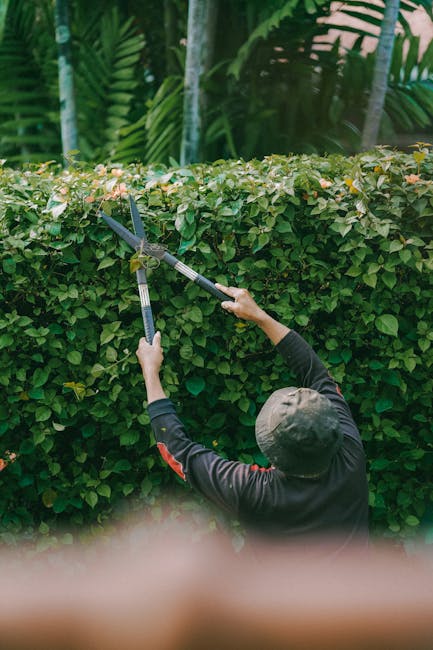
Garden care Pinner high street terraces guide
If you are looking after a terrace in or around Pinner High Street, you already know the reality: space is precious, access can be awkward, and the whole garden is often on show from the street. A good Garden care Pinner high street terraces guide is not really about creating a glossy magazine garden. It is about keeping a compact outdoor space healthy, tidy, usable, and easy to manage through the year.
That might mean a small front terrace that catches every bit of road dust, a narrow rear courtyard that never quite dries out, or a planting scheme that needs to look good from a kitchen window and the pavement. Truth be told, these gardens can be lovely, but they do ask for a slightly different approach. Less guessing. More planning. And a bit of local common sense.
This guide walks through the practical side of terrace garden care: what matters, how the work usually happens, what to avoid, and how to choose the right maintenance approach for a property near Pinner High Street. You will also find a checklist, a comparison table, and a few real-world examples that make the decisions a little easier. Nothing fancy for the sake of it. Just useful, grounded advice.
Table of Contents
- Why Garden care Pinner high street terraces guide Matters
- How Garden care Pinner high street terraces guide Works
- Key Benefits and Practical Advantages
- Who This Is For and When It Makes Sense
- Step-by-Step Guidance
- Expert Tips for Better Results
- Common Mistakes to Avoid
- Tools, Resources and Recommendations
- Law, Compliance, Standards, or Best Practice
- Options, Methods, or Comparison Table
- Case Study or Real-World Example
- Practical Checklist
- Conclusion
- Frequently Asked Questions
Why Garden care Pinner high street terraces guide Matters
Terrace gardens on or near a high street live a slightly tougher life than many people expect. They get more footfall nearby, more airborne debris, more pressure to look neat, and often less room to hide problems. A few weeks of neglect can show quickly: weeds in the paving, tired pots, hanging baskets that dry out too fast, or shrubs that start swallowing the whole space.
For many homes and small commercial properties, the terrace is not just decorative. It is the first impression. It frames the property. It can soften hard brickwork, make a narrow frontage feel welcoming, and create a private pocket of green in a busy area. When it is cared for properly, it can change how the whole place feels. Quietly, but properly.
There is also a practical side. Regular care reduces the kind of small issues that turn into bigger ones: blocked drains from leaf build-up, slippery paving from algae, dead plants that make the whole space look uncared-for, or unstable containers that blow over on a windy day. Let's face it, a terrace that looks a bit scruffy tends to stay scruffy unless someone gives it regular attention.
In a place like Pinner, where many properties balance charm with convenience, garden care is often about maintaining character without creating extra work. If you want a wider overview of outdoor property upkeep, it can help to read garden maintenance services alongside local care advice. The two go hand in hand.
How Garden care Pinner high street terraces guide Works
Good terrace garden care follows a simple pattern: observe, tidy, maintain, and adjust. The details change with the season, the size of the space, and how exposed the property is, but the logic stays the same.
First, assess the space as it really is, not as you wish it were. Look at sunlight, shade, drainage, wind exposure, access, and how much time you realistically have. A south-facing terrace with shallow pots will behave very differently from a north-facing courtyard that stays damp after rain. That difference matters more than most people think.
Next, decide what kind of maintenance is needed. For some terraces, this means weekly light work: deadheading, watering, sweeping, and quick weed control. For others, it means scheduled pruning, seasonal refreshes, and occasional soil improvement. A tiny garden can still need proper structure; it is not automatically low-maintenance just because it is small.
Then comes the actual work. In practice, terrace care usually combines these tasks:
- Surface cleaning on paving, steps, and edging
- Weed removal from cracks, borders, and container edges
- Pruning to keep shrubs and climbers in scale
- Watering plans for pots and baskets
- Feeding and mulching where plants need support
- Checking for pests, disease, or poor drainage
- Replacing tired seasonal planting before it drags the whole scheme down
Finally, the space is reviewed. What worked? What dried out too fast? Which plant is just wrong for the light level? This is where a lot of value comes from, to be fair. Terrace gardens improve when someone pays attention to patterns, not just mess.
Key Benefits and Practical Advantages
Regular care does more than keep a terrace looking tidy. It makes the space easier to use and easier to enjoy. A well-maintained terrace feels calmer in the morning, more inviting in the evening, and less like another job waiting to happen.
Here are the main benefits, in plain English:
- Better curb appeal: A neat frontage or visible terrace can lift the whole property.
- Healthier planting: Plants recover better when problems are caught early.
- Less time spent firefighting: Small, regular jobs are easier than big seasonal rescue work.
- Improved safety: Cleaner paving and tidier edging reduce slip and trip risks.
- More usable space: Even a narrow terrace can become somewhere you actually want to sit.
- Lower replacement costs: Good maintenance extends the life of pots, plants, soil, and hard landscaping.
There is also a psychological benefit that people often overlook. A cared-for terrace tends to make the rest of the home feel more organised too. Open the door and see healthy greenery, a clean path, and a few well-placed containers, and the whole place just feels more together. Small thing, big impact.
If your terrace is part of a larger outdoor layout, related tasks such as hedge work, lawn edging, or larger garden clearance may also matter. In that case, it may be worth comparing this with hedge cutting and shaping and garden clearance support so you can plan the full picture rather than patching one part at a time.
Who This Is For and When It Makes Sense
This guide is for anyone responsible for a terrace garden that needs to stay attractive without becoming high-maintenance. That includes homeowners, landlords, managing agents, small business owners, and people who simply do not want their outdoor space to become a weekly source of guilt.
It makes especially good sense if you:
- Live on or close to Pinner High Street and want a polished frontage
- Have a narrow terrace with limited planting space
- Need seasonal planting that survives real UK weather, not just the first sunny weekend
- Want a garden that looks presentable for guests, tenants, or customers
- Are balancing work, family, or travel and need a sensible maintenance routine
- Inherit a garden that has become overgrown, tired, or unevenly planted
It also suits people who know the basics but want better structure. You may already water, weed, and prune now and then. Fair enough. The difference here is making those actions deliberate, timed, and suited to a compact terrace rather than a larger suburban plot.
For properties where the outside space is part of a wider asset strategy, local presentation matters. A tidy terrace can support lettings, sales, hospitality, or simply the everyday value of living in a well-kept home. Sometimes that is all a visitor notices in the first ten seconds. Harsh, maybe. But true.
Step-by-Step Guidance
1. Start with a proper site assessment
Walk the terrace at different times of day if you can. Morning shade, late-afternoon sun, wind tunnels, damp corners, and areas near downpipes all affect what will work. A plant that thrives in a sheltered courtyard may sulk on an exposed high-street terrace.
Take note of:
- Sun exposure
- Drainage and pooling water
- Areas with weed pressure
- Soil depth in beds and planters
- Access for tools, bins, and watering
- Visibility from inside and from the street
2. Decide the terrace's purpose
Ask what the space needs to do. Is it decorative only? Is it a sitting area? A small edible garden? A welcoming frontage? A mix of all three? If you do not decide, the garden decides for you, and it usually chooses chaos.
For small terraces, less is often more. A tight palette of plants, a few quality containers, and one clear style will usually look better than a crowded mix of random things bought on impulse.
3. Clear and clean before you plant
Before adding anything new, remove dead growth, weeds, broken pots, and compacted debris. Sweep paving and check for slippery patches, especially in shaded corners. Clean surfaces make the whole garden easier to judge, and they give you a fresh starting point.
If the terrace has been neglected for a while, a one-off reset can be the difference between endless tidying and genuine improvement. A decent garden clearance service can help if the amount of material is more than a simple afternoon job.
4. Group plants by need
Try not to place thirsty plants beside drought-tolerant ones unless you really want to keep juggling watering. Grouping by need makes care simpler. It also prevents one side of the terrace from always being too dry while the other sits soggy.
Containers are useful here. They let you control compost, drainage, and placement. But they also dry out faster than ground planting, so you need to stay ahead of them in warm spells. Early evening watering can help, though in a busy week, the timing is not always perfect. That is life.
5. Build a simple routine
A terrace does best with little-and-often care. A useful routine might look like this:
- Weekly: water, deadhead, check for weeds, sweep surfaces
- Fortnightly: feed container plants if needed, rotate pots, tidy edges
- Monthly: prune lightly, inspect drainage, refresh mulch or compost
- Seasonally: replace worn plants, deep clean hard surfaces, review layout
Do not overcomplicate it. A garden that is easy to maintain is a garden you will actually maintain.
6. Review after weather changes
High street terraces often feel the impact of sudden weather shifts. A windy week may dry out containers fast. A damp month can trigger algae or mildew. After any notable change, have a quick look and adjust. It sounds minor, but a ten-minute check can save a lot of hassle later.
Expert Tips for Better Results
There are a few small habits that consistently improve terrace gardens, and they are not glamorous. That is usually the way.
Use fewer plant types, but choose them well. A compact space looks more considered when the planting has rhythm. Repeating forms and colours creates calm. Too many different plants in a tiny area can make it look busy in the wrong way.
Prioritise drainage. In a terrace garden, especially near paved areas, root problems often start with water sitting where it should not. Check containers have open drainage and that any fixed beds are not compacted to the point of suffocating roots.
Mulch thoughtfully. A light mulch helps hold moisture and cut weeds, but it should not smother stems or look lumpy. A neat finish matters more on a visible terrace than people sometimes admit.
Prune for shape, not just size. If a shrub is crowding the walkway or spilling into a seating area, trim it back with a clear aim. A slight shaping trim often looks better than a harsh cut all at once.
Keep one eye on sightlines. On a high street terrace, what you see from the doorway or pavement matters. A planter that looks fine from one angle may block light or make the whole area feel cramped from another.
Plan for watering reality. If you know you are away for a few days, choose tougher plants or add self-watering options. Nobody wants to come home to crispy leaves and apologetic soil, dry as dust.
Expert summary: The best terrace gardens are usually not the fanciest. They are the ones designed around light, drainage, and a care routine that fits real life. If you can keep the structure simple and the maintenance predictable, the garden will reward you quietly for years.
Common Mistakes to Avoid
Most terrace garden problems are not dramatic. They are the result of small errors repeated over time. The good news? That means they are usually fixable.
- Overcrowding the space: Too many pots, too many colours, too many textures. The terrace starts to feel cluttered rather than calm.
- Choosing plants for looks only: A beautiful plant that hates the site conditions becomes a chore.
- Ignoring drainage: Standing water, blocked outlets, and poorly draining containers can damage roots and surfaces.
- Letting weeds win early: Small weeds in paving lines become a much bigger job if you wait too long.
- Using the wrong compost or soil: Containers and beds have different needs, and cutting corners here often backfires.
- Pruning at the wrong time: Some plants need a light touch and a better schedule, not a big haircut in a panic.
- Forgetting the hard landscaping: Clean paving, edges, and pots matter just as much as the plants.
A common one, especially on busy streets, is assuming the garden can "look after itself" because it is small. It cannot. In some ways, small spaces show neglect faster. A single untidy pot can dominate the whole view. Annoying, but there it is.
Tools, Resources and Recommendations
You do not need a shed full of specialist equipment to care for a terrace well. A compact, reliable set of tools is usually enough.
| Tool or Resource | What it helps with | Why it matters on terraces |
|---|---|---|
| Hand trowel and hand fork | Planting, weeding, soil loosening | Useful in tight spaces where larger tools feel awkward |
| Sharp secateurs | Deadheading and light pruning | Clean cuts reduce plant stress and keep shape tidy |
| Watering can or hose with controlled flow | Regular watering | Helps avoid overwatering pots and splash damage on paving |
| Stiff broom | Sweeping leaves, grit, and debris | Fast way to keep visible surfaces presentable |
| Compost and mulch | Feeding and moisture retention | Supports plants in containers and shallow beds |
| Gloves and knee pad | Comfort during maintenance | Small jobs are easier when they are not physically awkward |
If you are comparing service options, the best choice often depends on how much hands-on care you want to keep for yourself. Some people only need seasonal help. Others prefer a regular visit schedule. Either way, it can help to understand the scope of ongoing garden maintenance before deciding.
For thicker growth, boundary plants, or screen planting around the edge of a terrace, a specialist service like hedge and shrub trimming may be the missing piece. And if the space has become too full to work in properly, start with clearance support so you can see the structure again. Simple enough, really.
Law, Compliance, Standards, or Best Practice
For terrace gardens, most of the important guidance is not about heavy regulation so much as good practice, neighbour awareness, and safe working habits. If the property is shared, rented, or close to a public route, those considerations matter.
A few sensible points to keep in mind:
- Access and overspill: Do not allow soil, cuttings, or water to create hazards on pavements, steps, or shared areas.
- Neighbour relations: Trim and maintain plants before they spread into adjoining boundaries.
- Waste handling: Green waste should be stored and removed responsibly, especially in small urban spaces where bins fill quickly.
- Plant choice: Avoid species that are likely to become unmanageable for the available space or create avoidable nuisance.
- Structural caution: Be careful when drilling, fixing, or hanging heavy planters on older terrace walls or railings. If in doubt, get proper advice.
If the terrace belongs to a rented property or managed building, there may also be internal expectations around neatness, safety, and maintenance frequency. Those are usually best handled through written agreements or clear management instructions rather than assumptions. Best to keep it plain and documented.
For any work involving height, unstable access, or substantial cutting, it is wise to use competent help and suitable equipment. A neat garden is great. A safe one is better.
Options, Methods, or Comparison Table
Not every terrace needs the same maintenance model. Some are best handled with light self-care and occasional support. Others need a more regular professional approach. Here is a practical comparison.
| Approach | Best for | Pros | Watch-outs |
|---|---|---|---|
| DIY weekly upkeep | Small, simple terraces with forgiving planting | Low cost, flexible, hands-on control | Easy to fall behind, especially in busy seasons |
| Seasonal professional visits | Homes that need periodic refreshes | Keeps the garden looking sharp without constant effort | May not solve weekly watering or weed pressure |
| Regular maintenance plan | Visible terraces, rental homes, or customer-facing properties | Consistent presentation, fewer surprises | Higher ongoing commitment |
| Full reset followed by maintenance | Overgrown or neglected terraces | Creates a clean starting point and better long-term structure | Can require more upfront work |
In many cases, the sweet spot is a reset first, then a modest routine. That gives you a clearer layout and reduces the chance of chasing the same problem every month.
Case Study or Real-World Example
Picture a narrow terrace near a busy high street. It has a small front area visible from the pavement, a slightly shaded rear section, and a few containers that have been moved around so many times they seem to have given up. One pot is full of annuals that look fine in June but miserable by late August. Another contains a shrub that has quietly become too large for its spot. There are weeds in the paving, and the drain edge is holding damp leaf litter.
The first step is not to buy more plants. It is to simplify.
The space gets cleared, swept, and assessed. The tired annuals are replaced with a mix of reliable structure plants and seasonal colour. The shrub is pruned back into proportion. Pots are grouped by sun exposure, and the watering routine is made realistic rather than idealistic. A fine mulch is added to the visible beds, and the hard surfaces are cleaned. Nothing flashy. Just steady improvement.
Within a few weeks, the terrace feels wider, calmer, and much easier to maintain. The owner stops dreading it. That is usually the real win. Not perfection. Just a garden that behaves itself.
That kind of result is common when the work starts with honest assessment instead of random effort. And once the structure is right, future upkeep becomes much lighter.
Practical Checklist
Use this checklist for a quick terrace garden review. It works well at the start of a season, after a long dry spell, or whenever the space starts to feel a bit off.
- Check whether the terrace is being used for seating, display, or screening
- Inspect all pots and planters for drainage and stability
- Remove dead growth, weeds, and fallen leaves
- Clean paving, steps, and edges
- Look for signs of pests or disease
- Prune plants that are overhanging paths or blocking light
- Group plants with similar watering needs
- Refresh compost, mulch, or top dressing where needed
- Replace weak or unsuitable plants rather than trying to rescue everything
- Review whether the layout still suits the way you actually use the space
If you can tick most of those boxes, your terrace is probably in decent shape. If not, no panic. Gardens have a habit of looking more complicated than they are. One job at a time usually does it.
Conclusion
A strong terrace garden near Pinner High Street is not built on luck. It comes from simple, regular care, sensible planting choices, and a layout that fits the space rather than fighting it. When the gardening is matched to the terrace, maintenance gets easier, the space feels better, and the whole property benefits.
The real aim is not to create more work for yourself. It is to create a garden that can be enjoyed without a weekly battle. That might mean a seasonal refresh, a clearer structure, or a proper reset if things have got away from you. Whatever the starting point, the best next step is usually the same: assess the space honestly, tidy it properly, and choose a routine you can actually keep up.
Get a free quote today and see how much you can save.
And if you do only one thing this week, make it the small one that changes the whole feel of the space. A swept path, a trimmed edge, a watered planter. Funny how often that is enough to bring the place back to life.
Frequently Asked Questions
What does a terrace garden care guide cover?
It covers the practical upkeep of small, often visible outdoor spaces such as front terraces, courtyards, and narrow urban gardens. That usually includes cleaning, pruning, watering, weeding, planting, and seasonal refreshes.
How often should a terrace garden near Pinner High Street be maintained?
Most terrace gardens benefit from weekly light attention and a slightly deeper monthly review. In hot, dry, or windy weather, containers may need checking more often because they dry out quickly.
Is a terrace garden harder to maintain than a larger garden?
Sometimes, yes. Small spaces can show neglect very quickly, and access can be awkward. The upside is that once the structure is right, maintenance can be simpler and faster than with a larger garden.
What are the best plants for a small terrace?
The best plants are usually those suited to your light level, drainage, and available time. Compact shrubs, hardy perennials, and reliable container plants often work well. It is better to pick plants that fit the site than chase a look that needs constant rescue.
How do I stop my terrace pots drying out too quickly?
Use larger containers where possible, group plants with similar watering needs, add mulch, and choose compost that holds moisture well without becoming waterlogged. Watering early or late in the day can also help reduce evaporation.
Can a neglected terrace garden be restored?
Yes, usually. A neglected terrace often needs clearing, a good clean, pruning, and a simplified planting plan. In many cases, the biggest improvement comes from removing clutter and choosing fewer, stronger plants.
Should I use professional garden maintenance or do it myself?
That depends on time, confidence, and the state of the garden. DIY works well for smaller, simpler terraces. Professional help makes more sense if the garden has become overgrown, if it is highly visible, or if you want regular upkeep without the stress.
What is the most common mistake with terrace gardens?
Overcrowding is probably the big one. People often add too many pots or plants, which makes the space feel cramped and creates more maintenance than expected. Simpler layouts are usually easier to keep looking good.
Do I need to worry about drainage on a terrace?
Yes. Drainage is one of the most important parts of terrace care. Poor drainage can damage roots, encourage algae, and create surface problems. Always make sure water can move away properly.
What should I check before starting any garden work on a terrace?
Check access, surface condition, container stability, drainage, and whether any plants are blocking walkways or boundaries. If you are doing larger pruning or fixing heavy planters, make sure the work can be done safely.
How can I make a terrace garden look better quickly?
Start with the visible basics: sweep the paving, remove weeds, deadhead tired flowers, and tidy the edges of containers and beds. A quick clean-up often has a bigger visual impact than people expect. Really, it does.
What's the best next step if my terrace has got out of hand?
Start with a clear-out and assessment, not new planting. Once the space is visible again, it becomes much easier to see what should stay, what should go, and what needs replacing. That first reset changes everything.